Cart
0

Dry skin rarely asks for subtlety. It shows up as tightness after cleansing, makeup that catches on rough patches, and that familiar feeling that your skin looked comfortable for an hour, then thirsty again by noon. A well-formulated hyaluronic acid moisturizer for dry skin can change that rhythm by helping skin hold water more effectively while wrapping it in lasting comfort.
The key is knowing what hyaluronic acid can do, and what it cannot do on its own. When chosen well, it gives dry skin a smoother, fresher, more cushioned look. When chosen poorly, it can feel pleasant at first yet leave skin wanting more. That difference comes down to formula design, texture, and the company it keeps.
Why hyaluronic acid matters for dry skin
Hyaluronic acid is a moisture-binding ingredient naturally found in the skin. In skincare, it is valued for its ability to attract and hold water, which helps the skin feel plumper and look more supple. For dry skin, that can mean less visible flaking, a softer surface, and a more rested glow.
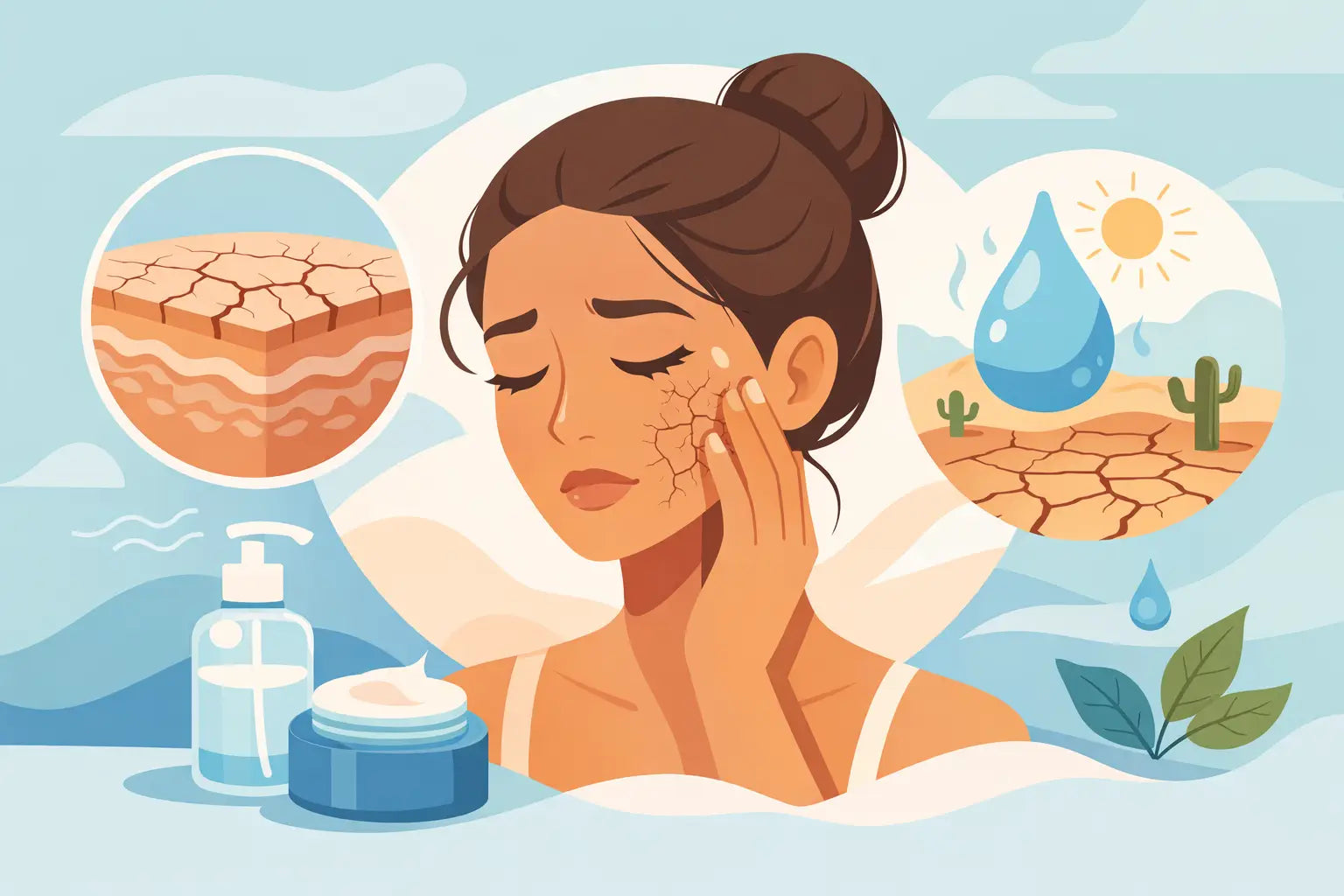
But dry skin is not always just dehydrated skin. Dehydration means a lack of water. Dry skin means a lack of oil, and often a more fragile barrier. That is why a hyaluronic acid product by itself is not always enough. If the formula draws in water but does not also support the barrier, hydration can feel temporary.
This is where a true moisturizer earns its place. A hyaluronic acid serum can be a beautiful first step, but a hyaluronic acid moisturizer for dry skin should go further. It should not only attract moisture, but also help seal it in with emollients and barrier-supportive ingredients that keep skin calm and comfortable.
What makes a hyaluronic acid moisturizer for dry skin effective
The best formulas do more than feature one hero ingredient on the label. They create a complete hydration experience.
First, texture matters. Dry skin often responds best to creams and cream-gels that feel cocooning without turning heavy or greasy. A lightweight gel may feel refreshing, but if your skin is very dry, that texture alone may not leave enough lasting comfort, especially in colder weather or air-conditioned spaces.
Second, look at the supporting ingredients. Hyaluronic acid works especially well alongside glycerin, urea, squalane, ceramides, fatty acids, and soothing botanical extracts. Humectants like glycerin and urea draw in water. Emollients such as squalane soften and smooth. Barrier-supportive ingredients like ceramides help reduce moisture loss over time.
Third, the formula should feel gentle. Dry skin is often more reactive, especially if it is also being treated with exfoliants, vitamin C, or retinoid-style products. Heavy fragrance, astringent alcohols, or overly aggressive actives can interrupt the calm you are trying to create.
Hyaluronic acid is not one-size-fits-all
Not every hyaluronic acid moisturizer feels the same on the skin, and that is a good thing. Molecular size, blend, and overall formula all influence performance.
Some products use multiple forms of hyaluronic acid to hydrate at different levels of the skin’s surface. Others pair sodium hyaluronate with botanical hydrators or microbiome-friendly ingredients for a more balanced finish. You do not need the most technical label to get results, but you do want a formula that feels intentional rather than trendy.
Climate also changes what works best. In a humid environment, a lighter cream may be enough. In a dry climate, or during winter, many people need a richer moisturizer layered over damp skin to keep that hydration from fading too quickly. Skin can be complicated in that way. The ingredient can stay the same while the ideal formula changes with season, routine, and barrier health.
How to use hyaluronic acid moisturizer for dry skin
Application makes more difference than many people expect. Hyaluronic acid performs best when there is moisture available, so applying it to slightly damp skin is often the sweet spot. After cleansing, or after a hydrating mist or toner, smooth your moisturizer on before skin fully dries down.
This helps the formula bind water at the skin’s surface while the cream base helps reduce transepidermal water loss. It is a small ritual shift, but it can make your skin feel fuller and more comfortable for longer.
If your skin is very dry, layering can help. A hydrating serum first, then a hyaluronic acid moisturizer, and finally a facial oil or richer cream at night can create a more complete cushion. During the day, sunscreen should always be the final step. Dry skin often looks its best when hydration and protection work together.
Ingredients that pair beautifully with hyaluronic acid
For dry skin, combinations matter more than hype. Hyaluronic acid becomes more effective when it is part of a thoughtful formula.
Ceramides are one of the strongest companions because they help reinforce the skin barrier. If your dryness comes with sensitivity, redness, or a stinging feeling after cleansing, this pairing is especially helpful.
Squalane is another elegant match. It gives the skin a silky, nourished feel without the heaviness some richer oils can leave behind. For people who want comfort and glow without a waxy finish, this is often the ingredient that makes a moisturizer feel beautifully balanced.
Urea deserves more attention than it gets. In low concentrations, it acts as both a humectant and a softener, helping rough, flaky skin feel smoother. Glycerin is similarly dependable - simple, effective, and quietly excellent in almost every hydration formula.
Botanical extracts can also elevate the experience when chosen well. Aloe, oat, centella, and calming plant waters can make a moisturizer feel more soothing, which matters when dry skin is also stressed or dull. At NÉVO, that blend of modern actives with botanical softness is exactly what makes hydration feel both high-performance and sensorial.
Signs your moisturizer is not enough
Sometimes the product is pleasant, but the skin still tells the truth. If your face feels tight an hour after application, if foundation clings to dry areas, or if fine lines look more pronounced by the afternoon, your moisturizer may not be giving enough barrier support.
Another clue is when you love the initial feel but wake up dry. That usually means the formula hydrates well at first but does not hold moisture in through the night. In that case, a richer cream texture or a formula with more lipids may suit you better.
It is also possible to choose a moisturizer that is too heavy for your preferences. If the finish feels suffocating, pills under sunscreen, or leaves a film that you dislike, you probably will not use it consistently. The best moisturizer is the one that your skin responds to and your routine welcomes.
How to choose the right formula for your skin type
If your skin is dry year-round, start with a cream that combines hyaluronic acid with ceramides, squalane, or shea-derived emollients. Look for a finish that feels nourishing rather than watery.
If your skin is combination but dehydrated, a lighter cream-gel with hyaluronic acid and glycerin may be enough, especially in warmer months. You can always add a richer layer only where you need it, such as around the cheeks or mouth.
If your dryness is tied to over-exfoliation or active treatments, go simpler. A fragrance-light or fragrance-free formula with barrier support is often the better choice than a moisturizer packed with too many extras. When the skin is stressed, restraint is often what restores glow.
And if you are shopping for visible radiance as much as comfort, look for formulas that pair hydration with soothing botanicals and a soft, luminous finish. Dry skin tends to look healthiest when it is not only moisturized, but visibly rested.
The result you should expect
A good hyaluronic acid moisturizer for dry skin should not promise instant perfection. What it should offer is steadier hydration, softer texture, and skin that feels less reactive to the day. Over time, the right formula can help your complexion look more even, more supple, and more naturally radiant.
That said, if your dryness is severe, persistent, or accompanied by irritation that does not improve, skincare may not be the whole answer. Sometimes climate, overuse of actives, or an underlying skin condition changes what your skin needs. There is no failure in adjusting your routine when the season, your environment, or your barrier asks for more.
The best hydration ritual is the one that leaves your skin calm enough to forget about it. When your moisturizer does that - when your face feels soft, comfortable, and quietly luminous from morning into evening - you have found more than a trend ingredient. You have found a formula worth returning to.