Cart
0

Rough skin has a way of interrupting even the most carefully chosen body care ritual. One day it is a little dryness at the elbows or knees, and the next it is a persistent, uneven texture that no basic lotion seems to touch. That is exactly where urea body cream for rough skin earns its place - not as a trend ingredient, but as a formula that can soften, smooth, and replenish in a way standard moisturizers often cannot.
Why rough skin needs more than basic moisture
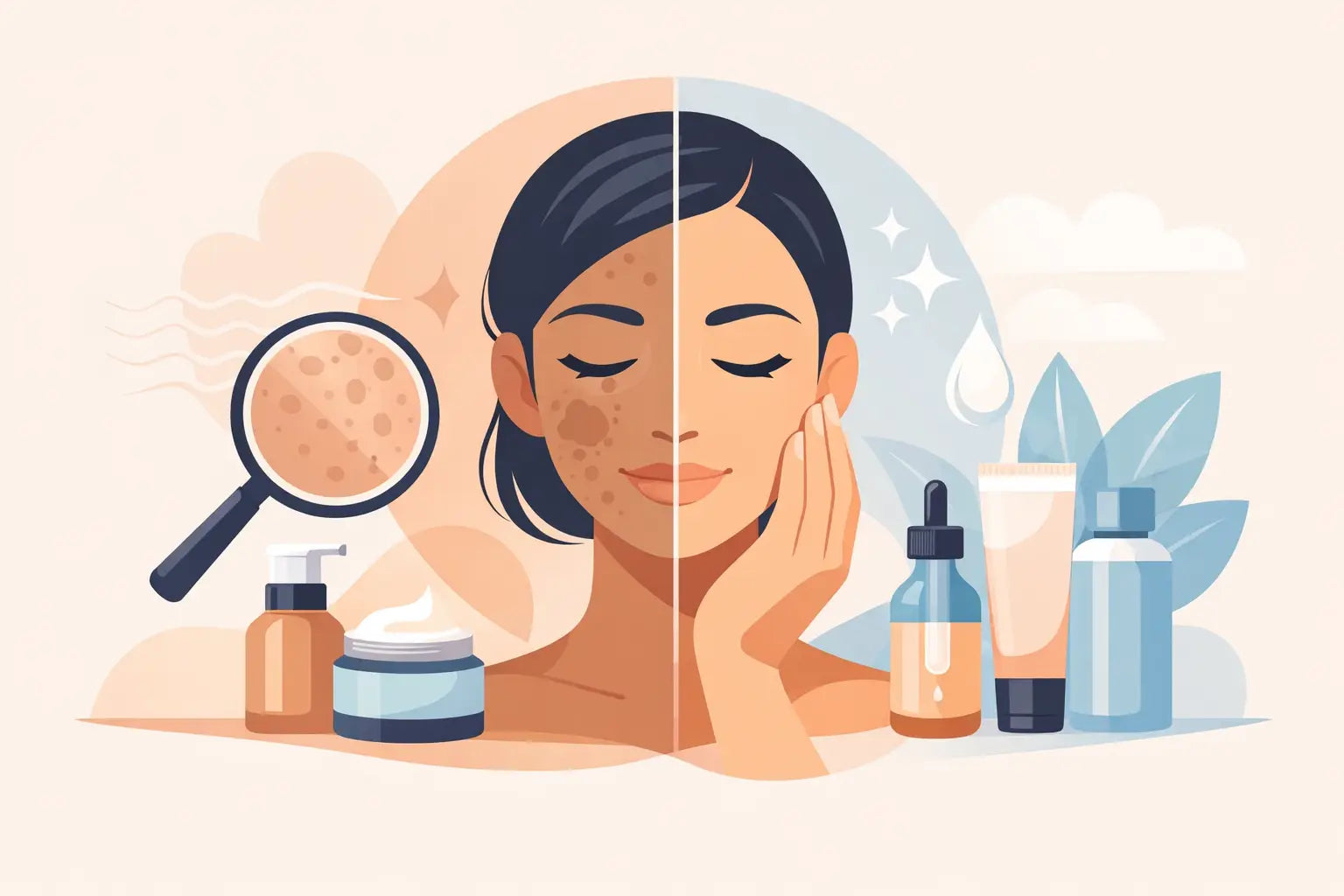
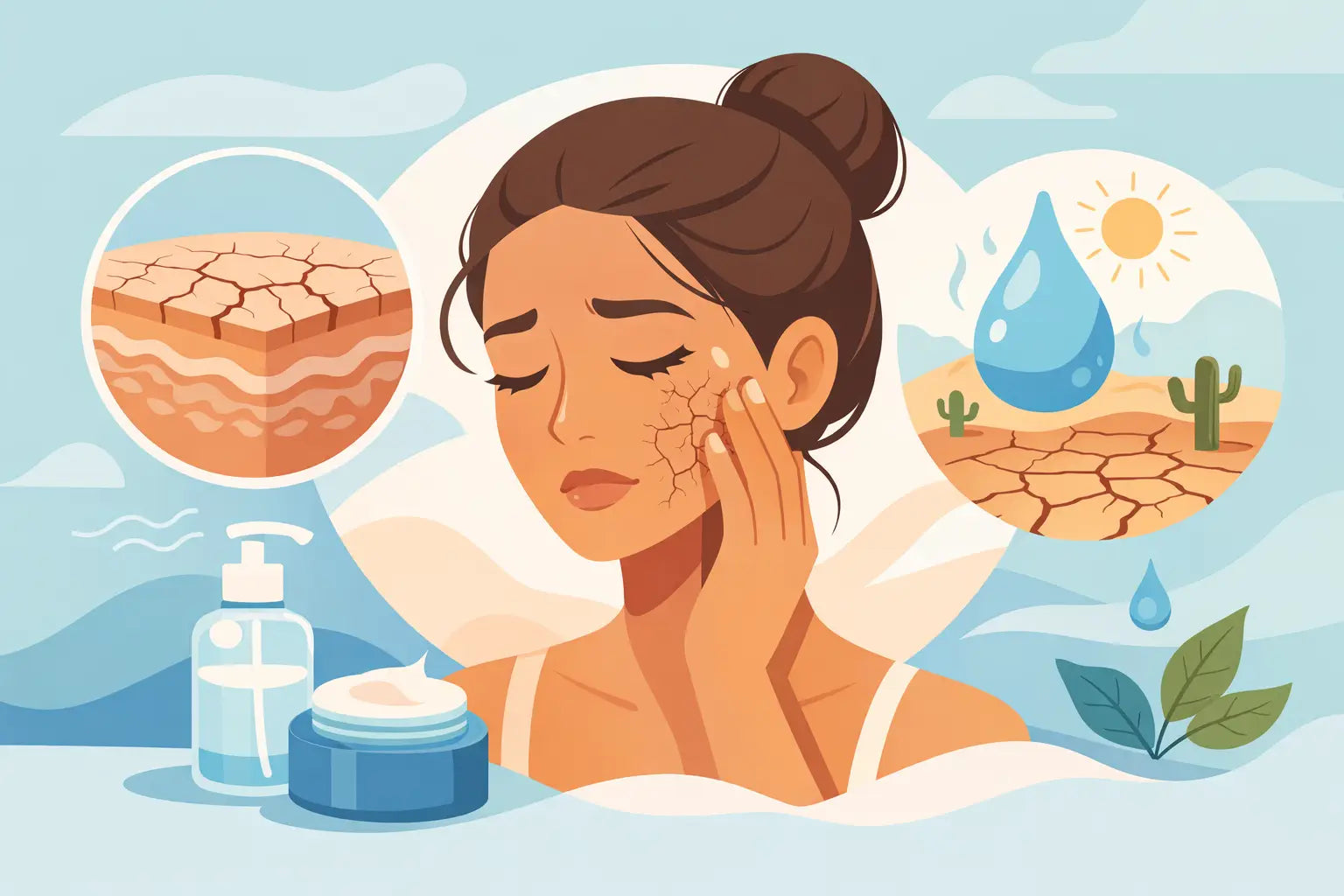
When skin feels rough, the problem is usually not just dryness. It is often a mix of water loss, a weakened skin barrier, and a buildup of dead skin cells that makes the surface feel uneven or look ashy. A simple cream can make skin feel more comfortable for a few hours, but if it only sits on the surface, the texture tends to return quickly.
Urea is different because it works on both sides of the problem. It helps the skin hold onto water, and at the right concentration, it also loosens the bonds between dead surface cells. That combination matters. Skin can feel softer, smoother, and more flexible rather than merely coated.
This is why urea shows up so often in formulas made for areas like heels, knees, elbows, and arms prone to bumps or rough patches. It supports hydration while gently refining texture, which makes it especially useful if your skin feels dry and stubborn at the same time.
What urea actually does in a body cream
Urea is a naturally occurring compound found in healthy skin as part of the skin's natural moisturizing factor. In skincare, it is valued because it is both humectant and keratolytic, depending on the percentage used. In plain terms, that means it can draw in moisture and help soften hardened, flaky buildup.
At lower strengths, urea mainly hydrates. It helps bind water into the skin, which can ease tightness and restore a more supple feel. At higher strengths, it becomes more active at smoothing rough texture, especially in thickened or scaly areas.
That dual action makes a urea body cream feel more purposeful than a standard body lotion. It is not only about comfort. It is about changing the texture of the skin over time with consistent use.
Urea body cream for rough skin and visible texture
If you are dealing with flaky shins, rough upper arms, or patches that feel slightly raised and dry, urea can help because it addresses what you can both see and feel. The skin often looks calmer and more polished as the rough outer layer softens.
That said, results depend on the cause of the texture. If roughness is mostly seasonal dryness, improvement may come quickly. If it is linked to very thick callused skin or persistent bumpiness, you may need a stronger formula and more patience.
Who benefits most from a urea body cream
Urea body creams are especially well suited to skin that feels persistently dry, textured, or hard to smooth with ordinary moisturizers. They are often a smart choice for rough elbows and knees, cracked-feeling lower legs, post-shower tightness, and areas that develop a dull, powdery finish by the end of the day.
They can also be helpful for people prone to keratosis pilaris-like roughness on the backs of the arms or thighs. In these cases, skin needs hydration and gentle resurfacing at once, which is where urea can feel beautifully balanced.
Still, there are trade-offs. If your skin is very sensitive, inflamed, or compromised, a higher-strength urea cream may sting at first, especially on freshly shaved skin or areas with tiny cracks. That does not always mean the product is wrong for you, but it may mean the concentration is too high or the timing is off.
How to choose the right strength
Not every urea cream works the same way. Percentage matters, and it changes the experience on the skin.
Lower concentrations, often around 5 percent, are usually best when your main goal is daily hydration with a little extra smoothing. These formulas tend to feel gentler and are easier to use all over the body.
Mid-range formulas, often around 10 percent, are a strong choice for visibly rough skin that needs more texture support. This level often gives the sweet spot of comfort and efficacy for arms, legs, elbows, and knees.
Higher percentages can be excellent for very thick, hardened areas like heels and calluses, but they are not always ideal for broad daily use if your skin leans sensitive. More is not always better. The best formula is the one your skin can use consistently.
What to pair with urea for better results
A well-made urea cream tends to work even better when it is supported by complementary ingredients. Humectants like glycerin and hyaluronic acid help pull in water. Richer emollients and occlusives such as shea butter, squalane, or certain plant oils help seal that moisture in and leave skin feeling comforted rather than tacky.
Gentle exfoliating acids can also appear alongside urea, but this is where formulation balance matters. A touch of lactic acid can help refine roughness beautifully. Too many exfoliants at once, though, can push the formula from smoothing into irritating.
For skin that is both dry and reactive, a simpler cream can be the better choice. Elegant body care does not have to be overcomplicated. Sometimes the most effective ritual is the one that calms skin enough to stay consistent.
How to use urea body cream for rough skin
The best moment to apply a urea body cream is right after bathing, when skin is still slightly damp. This helps trap water into the skin and gives the formula a better chance to do its work. Massage it into rough-prone areas first, then smooth the rest over anywhere that feels dry or textured.
Use matters more than quantity. A generous but even layer once or twice daily will usually outperform occasional heavy application. If you are focusing on very rough areas such as elbows, knees, or heels, you can apply a second layer there at night.
Give it time. Some people notice softer skin within a few days, but more stubborn texture often needs a few weeks of steady use. The shift is usually gradual - less flaking, more flexibility, a smoother glide when you run your hand over the skin.
When not to use it
If your skin is actively irritated, freshly exfoliated, sunburned, or cracked to the point of discomfort, pause before using a stronger urea formula. The same goes for immediately after shaving if you know your skin tends to sting.
In those moments, barrier-first care is often the wiser move. Once the skin feels calm again, urea can return as a texture-smoothing step rather than an added stressor.
What kind of results should you expect?
A good urea cream does not create an overnight airbrushed finish. What it does offer is something more believable and more useful - skin that feels increasingly soft, supple, and refined with regular use.
Within the first week, dryness and tightness often improve. Over the next several weeks, rough patches may look less dull and feel less pronounced. Areas that once seemed resistant to body lotion can start responding in a way that feels visible and lasting.
It is also worth knowing what urea body cream will not do on its own. If roughness is caused by eczema, psoriasis, or another ongoing skin condition, it may help with comfort and texture, but it is not a replacement for medical guidance. And if your body routine includes very hot showers, harsh scrubs, or fragranced products that leave skin stripped, even the best cream will have to work harder.
A more refined body care ritual
There is something quietly luxurious about a body cream that does more than mask dryness. Urea brings a thoughtful kind of efficacy - one that supports the skin's natural moisture balance while gently smoothing what feels out of sync. For anyone building a more intentional routine, this is the kind of ingredient that earns repeat use.
At NÉVO, that balance between sensory comfort and visible performance is what makes ingredient-led body care feel so essential. When your skin is rough, thirsty, and asking for more than a basic lotion, a well-formulated urea cream can turn a simple daily step into a ritual that leaves skin feeling restored, polished, and beautifully at ease.
If your skin has been asking for softness that lasts beyond the moment, this is one ingredient worth making room for.