Cart
0

Dark spots have a way of lingering long after the moment has passed. A healed breakout, a summer in the sun, or a patch of post-inflammatory discoloration can leave skin looking uneven even when it feels otherwise calm. If you have been wondering what does kojic acid do, the short answer is this: it is a brightening ingredient used to help reduce the look of pigmentation and bring skin back to a clearer, more even-toned glow.
Kojic acid has earned a loyal place in modern routines because it speaks to a very specific concern. It is not trying to do everything at once. Instead, it focuses on visible discoloration, helping skin look more luminous over time while fitting easily into a ritual that can still feel gentle and balanced.
What does kojic acid do in skincare?
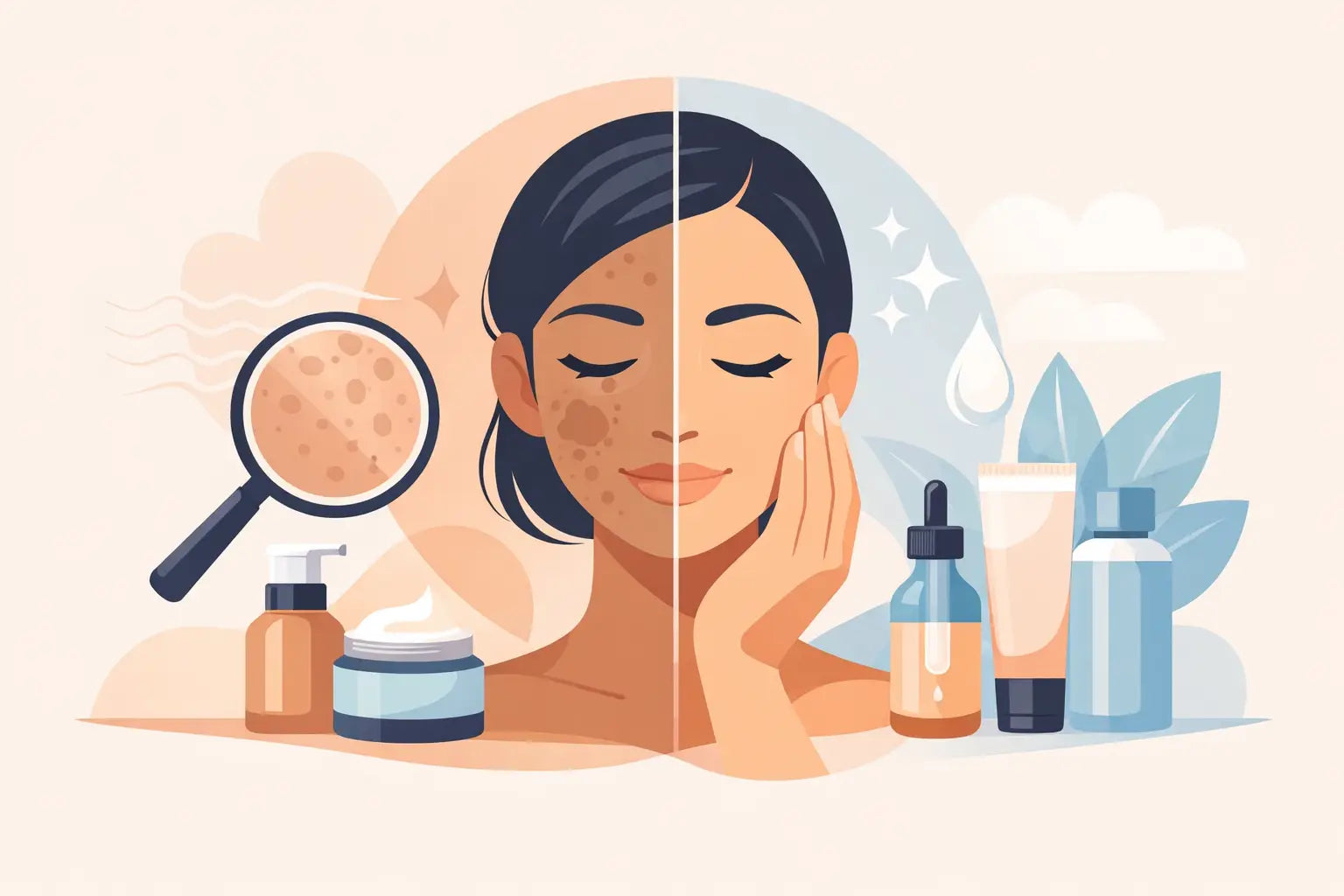
Kojic acid is best known for targeting excess pigment. In skincare, it is used to help fade the appearance of dark spots, sun spots, post-acne marks, and patches of uneven tone. If your complexion looks dull because some areas are deeper in color than others, kojic acid is often chosen to help soften that contrast.
It works by helping slow the process that leads to melanin production. Melanin is the pigment that gives skin its color, but it is also involved in hyperpigmentation. When skin is exposed to UV rays, inflammation, or irritation, melanocytes can become overactive and create concentrated areas of pigment. Kojic acid helps interrupt part of that pathway, which is why it is often described as a brightening or tone-evening active rather than a traditional exfoliant.
That distinction matters. Some ingredients create radiance by sweeping away dead surface cells. Kojic acid is more focused on the source of discoloration itself. It can still support a brighter overall look, but its real strength is helping skin appear more even.
What kojic acid helps with most
Kojic acid tends to shine when discoloration is the main concern. It is commonly used for post-breakout marks, especially the brown or tan spots that stay behind after blemishes fade. It is also popular for sun-induced pigmentation, including freckles that have darkened and small patches of uneven tone caused by repeated UV exposure.
For some people, it can also be helpful when skin looks tired or less radiant because of a buildup of pigment over time. In that sense, the glow it creates is less about instant shimmer and more about clarity. When excess pigmentation starts to soften, skin often looks fresher and more rested.
That said, kojic acid is not the answer to every kind of spot. Redness from irritation is different from brown hyperpigmentation, and very deep or hormonally driven discoloration can be more stubborn. Melasma, for example, is often more complex and may need a broader approach. Kojic acid can still play a role, but results depend on consistency, formulation, and how reactive your skin is.
How fast does kojic acid work?
Kojic acid is a gradual ingredient. You are not likely to apply it for a week and wake up to dramatically transformed skin. Most brightening actives work on a slower timeline because pigmentation fades as skin renews itself.
Many people begin to notice visible improvement after several weeks of regular use, with more meaningful changes appearing after two to three months. That timeline can shift depending on how pronounced the discoloration is, how often you use the product, and whether you are protecting your skin from new UV exposure. Without daily sunscreen, even a beautifully formulated dark spot routine can feel like one step forward and one step back.
Patience is part of the process, but so is the formula itself. Kojic acid often performs best when paired with supportive ingredients that either soothe the skin or target brightness from another angle.
What does kojic acid do when paired with other ingredients?
Kojic acid is rarely the only active in a modern brightening formula, and that is usually a good thing. Thoughtful pairings can make it feel more complete, more comfortable, and often more effective.
With vitamin C, kojic acid supports a more radiant, luminous look while helping address uneven tone. With lactic acid or other gentle exfoliants, it can work alongside surface renewal so dullness and pigmentation are addressed at the same time. With hydrating ingredients like hyaluronic acid or barrier-supportive botanicals, the formula can feel calmer and better cushioned on the skin.
This is where product design matters. A well-balanced formula can make kojic acid feel elegant and approachable, especially for people who want visible results without a harsh routine. For a brand like NÉVO, that balance between active performance and skin comfort is exactly where ingredient-led skincare becomes most compelling.
Is kojic acid gentle?
It can be, but this is where nuance matters. Kojic acid is often described as gentler than some stronger pigment-focused actives, yet that does not mean it is universally effortless for every skin type. Some people use it comfortably and consistently. Others may notice dryness, tingling, or irritation, especially if the formula is too strong or combined with too many other actives at once.
If your skin barrier is compromised, even a well-intentioned brightening step can feel too intense. Sensitive skin does not always need to avoid kojic acid, but it usually benefits from a slower introduction. A few nights a week may be enough at first, followed by a nourishing moisturizer. Watching how your skin responds is more helpful than chasing fast results.
The goal is not to push your skin into clarity. It is to support a steady improvement that still feels calm.
Who should use kojic acid?
Kojic acid is a strong fit for anyone dealing with post-acne marks, sun spots, or uneven tone that makes the complexion look less clear than it feels. It is especially appealing if you want a brightening ingredient that feels targeted rather than aggressive.
It may be less essential if your main concerns are deep wrinkles, severe acne, or dehydration alone. In those cases, kojic acid can still be part of the routine, but it would not be the lead actor. Think of it as a specialist. It is most useful when pigmentation is the thing you want to change.
People with reactive skin should look closely at the overall formula, not just the hero ingredient. A serum or treatment with soothing support can be a better experience than a stripped-back formula that prioritizes intensity over comfort.
How to use kojic acid in a routine
Kojic acid is usually found in serums, creams, spot treatments, soaps, and exfoliating treatments. For facial use, a serum or treatment cream tends to offer the most controlled experience because it is designed to stay on the skin and work gradually.
If you are adding it to your routine, use it after cleansing and before moisturizer unless the product directions say otherwise. Start slowly, especially if you already use acids, retinoids, or vitamin C. Some skin can handle a layered active routine well. Some cannot. More is not always better, particularly when your concern is pigmentation, because irritation itself can sometimes trigger more discoloration.
The one non-negotiable is sunscreen. If you are using kojic acid to fade visible pigmentation but skipping SPF, you are leaving the door open for new dark spots and the deepening of old ones. Daily sun protection is what helps preserve the progress you are making.
What does kojic acid do over time?
Over time, kojic acid can help skin look calmer in color, clearer in tone, and more refined in its overall brightness. The change is often subtle at first. A mark that once looked obvious begins to soften. A patch of uneven tone becomes less distracting. Skin starts to reflect light more evenly, which is often what people mean when they say their glow has returned.
That kind of result is easy to appreciate because it does not look artificial. Your skin still looks like your skin - just more balanced, more luminous, and less overshadowed by lingering pigment.
Kojic acid is not magic, and it is not instant. But in a routine built with care, it can be one of the most quietly transformative ingredients on the shelf. If uneven tone has been dulling your complexion, this is the kind of active that invites consistency, rewards patience, and makes room for a brighter ritual that still feels gentle.